
If you are considering Teeth In A Day® in Orlando, it is natural to focus on how quickly teeth can be restored and how soon daily routines may resume. While immediate implant placement can shorten the treatment timeline, healing still plays a central role in long-term comfort, stability, and function. Understanding what happens after implants are placed helps patients feel more prepared and informed throughout the recovery process.
Healing after immediate implant placement is not a single event. It is a gradual process that occurs in stages, some of which are noticeable and others that happen quietly beneath the surface. Knowing what is typical, what can vary, and why follow-up care matters can help patients approach recovery with realistic expectations and confidence.

Immediate implant placement allows implants and temporary teeth to be placed within a shorter treatment window. Because implants may be exposed to limited function early on, healing requires careful planning and monitoring.
With traditional implant placement, implants are often left undisturbed for several months before any restoration is attached. Immediate placement changes that dynamic. Dentists rely on precise positioning, controlled bite forces, and careful restoration design to protect stability while healing progresses. Healing is not rushed—it is guided more closely to support both comfort and predictability.
During the first few days, swelling, tenderness, and a sense of tightness or pressure around the implant area are common. Some patients notice mild bruising or soreness in the jaw muscles. These responses reflect the body’s normal inflammatory response following surgery.
Temporary teeth placed during immediate treatment may feel unfamiliar. Patients may notice slight differences in how their bite feels or how their lips and tongue move. These sensations typically improve as swelling decreases, and tissues begin to settle.
Dentists provide post-procedure instructions to help protect implants during this early phase. Following guidance related to diet, activity, and oral hygiene helps reduce unnecessary stress on healing tissues. Early care focuses on protection rather than performance.
As the initial swelling subsides, gum tissues begin adapting around the implants and temporary restorations. This phase supports comfort, stability, and tissue contour. Minor changes in how the temporary teeth feel are normal as swelling resolves and tissues mature.
Chewing is often modified during early healing. Softer foods help limit pressure while bone and tissue adapt. Speech changes, if present, usually improve as muscles and the tongue adjust to the new tooth position. These changes tend to be temporary and resolve gradually.
One of the most important phases of healing occurs beneath the gums. Osseointegration is the biological process in which the jawbone adapts and bonds with the implant surface.
This process develops over several months. Even when patients feel comfortable early on, bone adaptation continues quietly in the background. Protecting implant stability during this stage supports long-term success and durability. This is why dentists monitor progress carefully rather than relying on how healing feels alone.
Temporary teeth provide appearance and basic function while healing progresses. They are designed to limit excessive pressure and allow adjustments as tissues adapt. These restorations help dentists manage bite forces during healing.
Final restorations are placed once healing and integration progress appropriately. These restorations are designed for long-term durability, comfort, and function. The timing of this transition is guided by healing response rather than a fixed schedule.
Follow-up visits allow dentists to monitor healing, assess comfort, and make minor adjustments if needed. Small refinements during healing help reduce uneven pressure and improve function.
Imaging may be used during follow-up to evaluate bone response and implant positioning. These evaluations help guide the timing of future steps and confirm stability as healing progresses.

Healing after immediate implant placement is influenced not only by clinical care but also by everyday habits. Small, consistent choices during recovery can affect comfort, stability, and how smoothly tissues adapt around the implants.
Key daily habits that may influence healing include:
Thoughtful attention to these habits supports tissue adaptation and helps reduce avoidable stress on implants during recovery.
Healing timelines after immediate implant placement can vary from one patient to another. This variation reflects normal biological differences rather than problems with treatment. Several factors may influence how quickly or gradually healing progresses.
Common factors that can affect healing timelines include:
This variability is normal. Healing timelines are estimates rather than guarantees, and adjustments may be part of the process. Dentists account for these differences when planning follow-up care and monitoring progress over time.
Some patients heal faster, while others require additional time. Extended healing does not necessarily indicate a problem. It often reflects how the body responds individually to surgery and adaptation.
Regular communication helps address concerns early. Attending scheduled visits allows dentists to assess progress and provide reassurance when healing simply needs more time.
It is important to distinguish between feeling better and being fully healed. While discomfort may resolve within weeks, biological healing continues well beyond that point.
Long-term healing supports implant strength, comfort, and function. Patience during this phase contributes to predictable outcomes and long-term stability.
Immediate implant placement offers meaningful benefits, but it does not bypass the body’s natural healing process. Healing involves observation, adaptation, and occasional adjustments.
Understanding this process helps patients avoid unnecessary concern and approach recovery with clarity rather than urgency.
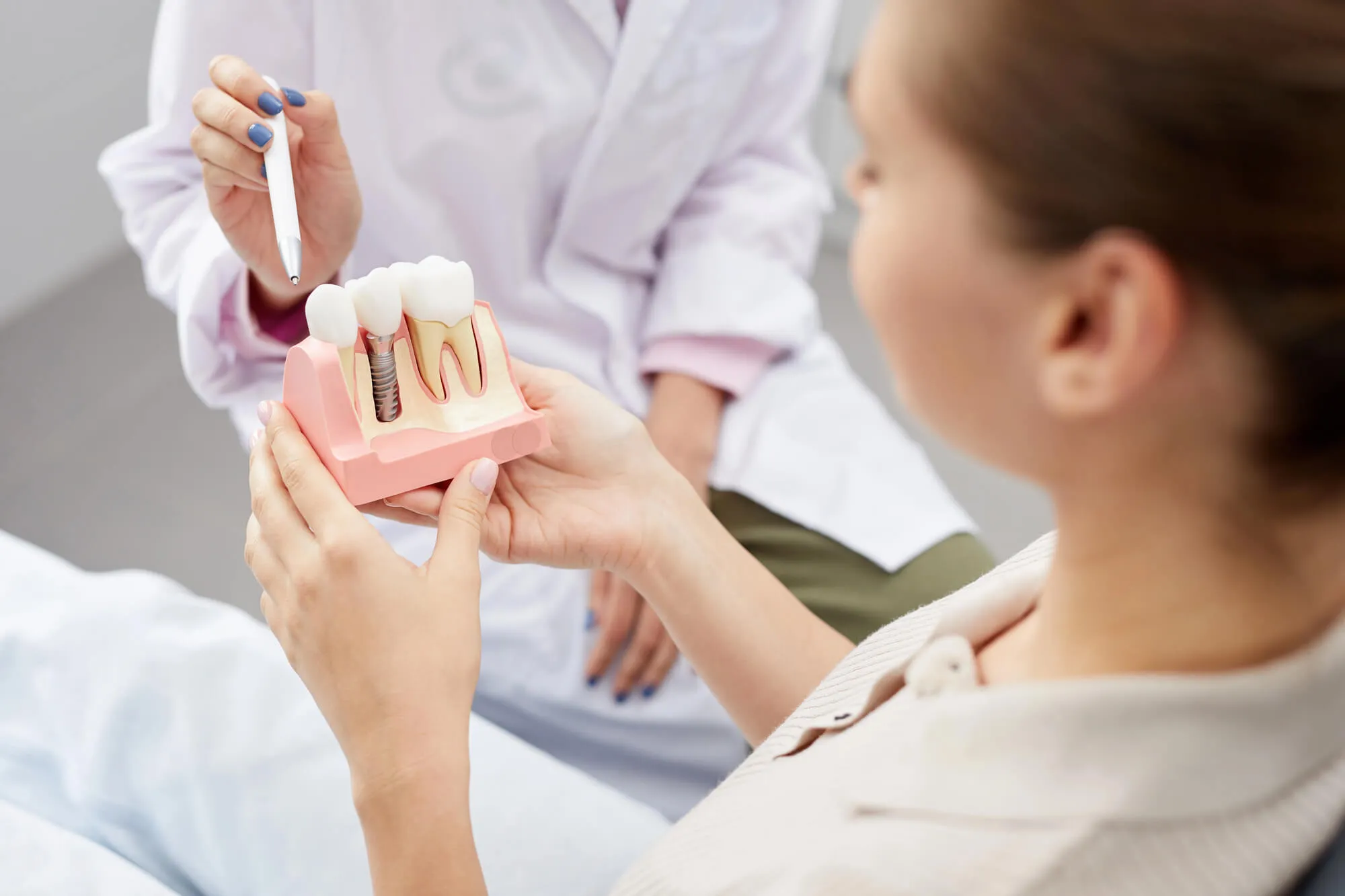
If you are planning or recovering from Teeth In A Day®, understanding the healing process can help the experience, feel more manageable. Healing is guided by monitoring, communication, and thoughtful care rather than speed alone.
At Altamonte Implant & Cosmetic Dentistry, follow-up care after immediate implant placement focuses on monitoring healing, supporting comfort, and guiding each stage of recovery.
A consultation or follow-up visit provides the opportunity to review progress, ask questions, and understand what to expect as healing continues. Clear communication and careful evaluation help support stability, function, and confidence over the long term.

– Dr. Atila C. Miranda, DDS –
(407) 831-4008752 Stirling Center Pl STE 1000,


*THE CONTENT/IMAGES ON THIS WEBSITE ARE NOT A GUARANTEE OF INDIVIDUAL RESULTS. INDIVIDUAL RESULTS MAY VARY. THE INFORMATION PROVIDED ON THIS SITE IS FOR GENERAL INFORMATIONAL PURPOSES ONLY, AND DOES NOT REPLACE THE NEED FOR A FORMAL CONSULTATION.