
Missing teeth often create more questions than patients expect. Some wonder whether implants will feel like natural teeth. Others want to know how long treatment takes, whether they qualify, or if implants are worth considering compared to other tooth replacement options. It is common to feel uncertain before beginning any restorative treatment. For patients researching affordable dental implants in Orlando, understanding the answers to frequently asked questions can make the process feel more familiar and help clarify what to expect during treatment.
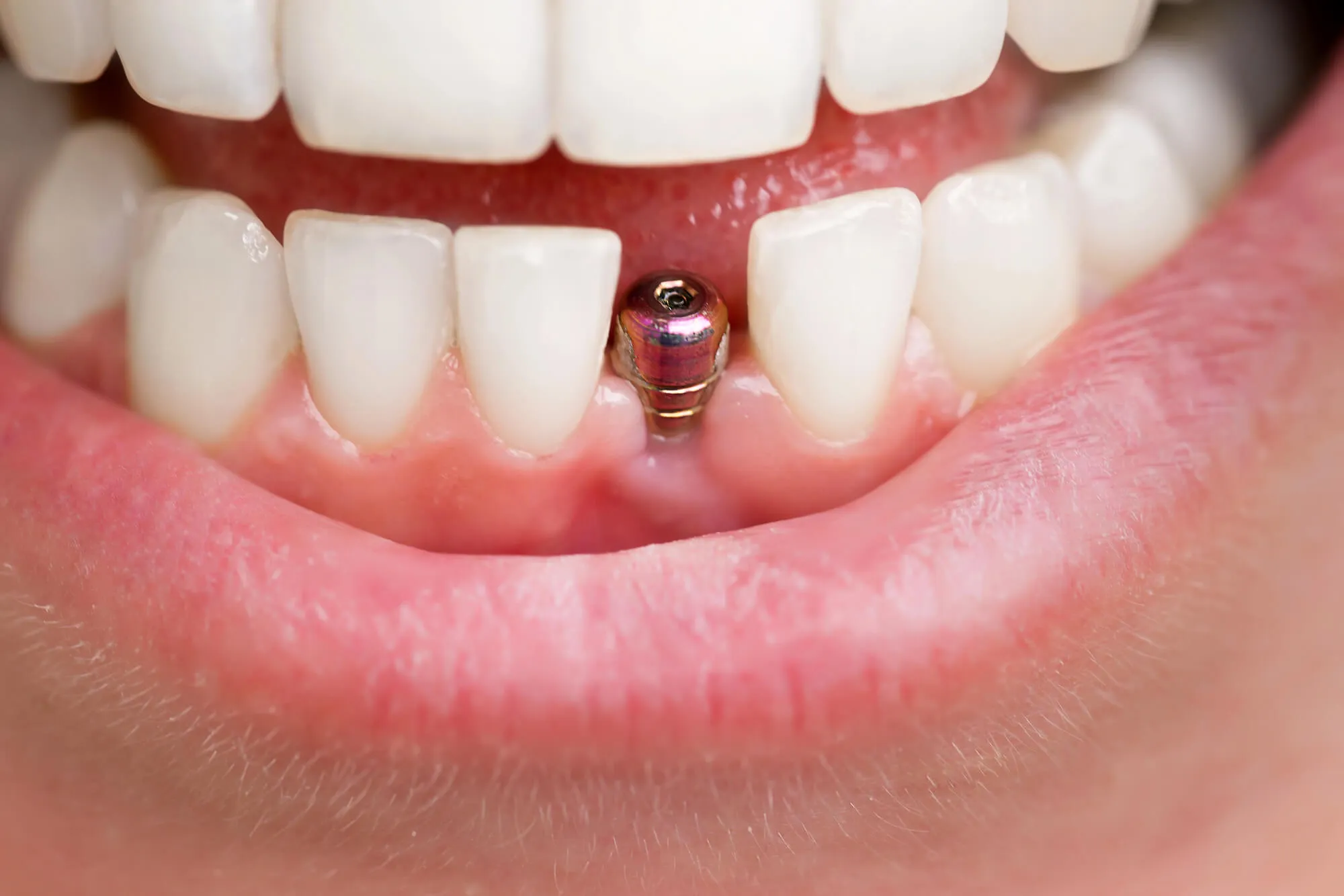
Dental implants are artificial tooth roots placed into the jawbone to support replacement teeth. Once healing occurs, they can support crowns, bridges, or implant-supported restorations.
A dental implant generally consists of:
Together, these components create a replacement tooth designed to support both function and appearance.
Dental implants are often recommended because they replace both the visible portion of the tooth and the missing root structure beneath the gums.
Potential benefits include:
Every patient’s situation is different, though implants are frequently considered one of several tooth replacement options.
One of the most common questions patients ask is whether they qualify for implant treatment.
Dental implants require adequate bone support for stability.
The dentist evaluates:
Digital imaging helps determine whether the jawbone can support implant placement.
Healthy gums create a stable environment for healing and long-term implant success.
Patients with active gum disease may require treatment before implants are recommended.
The dentist also reviews medical history and factors that may influence healing.
Treatment recommendations are customized according to the patient’s oral and overall health.
Many patients are surprised by how natural implants feel once healing is complete.
Because implants are anchored within the jawbone, they do not move like removable appliances.
Patients often report:
Although implants are not natural teeth, they are designed to function similarly.
Treatment timelines vary depending on the patient’s condition and treatment plan.
Traditional treatment often includes:
Healing typically occurs over several months while the implant integrates with the jawbone.
Some qualifying patients may receive temporary teeth shortly after implant placement through immediate restoration approaches such as Teeth In A Day®.
Not every patient qualifies for this type of treatment.
This is one of the most common concerns patients express during consultations.
Local anesthesia is used to maintain comfort during implant placement.
Many patients describe the procedure as easier than expected.
Some soreness and swelling may occur during the healing period.
Post-operative instructions help support recovery and manage discomfort.
Most patients return to normal routines within a relatively short period following surgery.
Dental implants are designed as long-term tooth replacement solutions.
Longevity depends on several factors, including:
With proper care, implants can continue functioning successfully for many years.
Yes. Dental implants can be used to replace a single tooth, several teeth, or an entire arch.
A single implant may support one crown when replacing an individual missing tooth.
Several missing teeth may be replaced using implant-supported bridges.
This approach allows multiple teeth to be restored without placing an implant for every missing tooth.
Patients missing most or all teeth may qualify for full-arch implant restorations such as All-on-4® treatment.
These restorations use strategically placed implants to support an entire arch of replacement teeth.

Many patients ask whether replacing a missing tooth is truly necessary.
While every situation is unique, leaving a gap open may contribute to changes over time.
Surrounding teeth may begin shifting toward the open space.
This movement can contribute to:
The jawbone no longer receives stimulation from the missing tooth root.
Over time, bone density may gradually decrease in that area.
Uneven chewing pressure can place additional stress on the remaining teeth.
These changes may affect comfort and stability over time.
This question depends on the patient’s goals, oral health, and restorative needs.
Traditional dentures rest on the gums and can be removed for cleaning.
They may be an appropriate option for some patients.
Implant-supported restorations are attached to implants anchored within the jawbone.
Patients often appreciate:
The best option depends on the individual patient.
Implant treatment involves careful planning before surgery begins.
The dentist evaluates:
Advanced imaging helps assess:
Every implant plan is designed according to the patient's unique needs and restorative goals.
Careful planning helps support long-term stability and function.
Dental implants require ongoing maintenance similar to natural teeth. While the implant itself cannot develop cavities, the surrounding gum tissue must remain healthy to support long-term stability. Patients are encouraged to:
Regular checkups allow the dentist to monitor the implant, evaluate the surrounding tissues, and identify any concerns early. Consistent oral hygiene helps reduce plaque buildup and supports the health of both the implant and nearby teeth. With proper care, dental implants can continue functioning comfortably and predictably for many years.
Patients often ask whether implants justify the time and financial commitment involved.
Dental implants are designed to address several concerns at once, including:
The value of treatment depends on the patient’s goals, oral health needs, and long-term priorities.
No. The implant itself cannot develop cavities. However, maintaining healthy gums around the implant remains important.
Most patients can care for implants using standard oral hygiene tools recommended by their dentist.
Age alone does not determine candidacy. Overall health and bone support are more important factors.
The final restoration is customized to blend with the surrounding teeth whenever possible.
Smoking may affect healing and long-term implant success. The dentist evaluates each patient individually.

Dental implants often raise important questions about treatment, healing, function, and long-term results. Understanding the answers can help patients feel more comfortable discussing their options and planning for tooth replacement.
At Altamonte Implant & Cosmetic Dentistry, implant treatment is customized according to each patient’s oral health, bone structure, and restorative goals. For patients exploring affordable dental implants in Orlando, a consultation can provide personalized recommendations and help determine which treatment options may best support long-term comfort, function, and smile stability.
"Nobel Biocare, NobelProcera, NobelGuide and All-on-4 are trademarks of the Nobel Biocare group."

– Dr. Atila C. Miranda, DDS –
(407) 831-4008752 Stirling Center Pl STE 1000,


*THE CONTENT/IMAGES ON THIS WEBSITE ARE NOT A GUARANTEE OF INDIVIDUAL RESULTS. INDIVIDUAL RESULTS MAY VARY. THE INFORMATION PROVIDED ON THIS SITE IS FOR GENERAL INFORMATIONAL PURPOSES ONLY, AND DOES NOT REPLACE THE NEED FOR A FORMAL CONSULTATION.