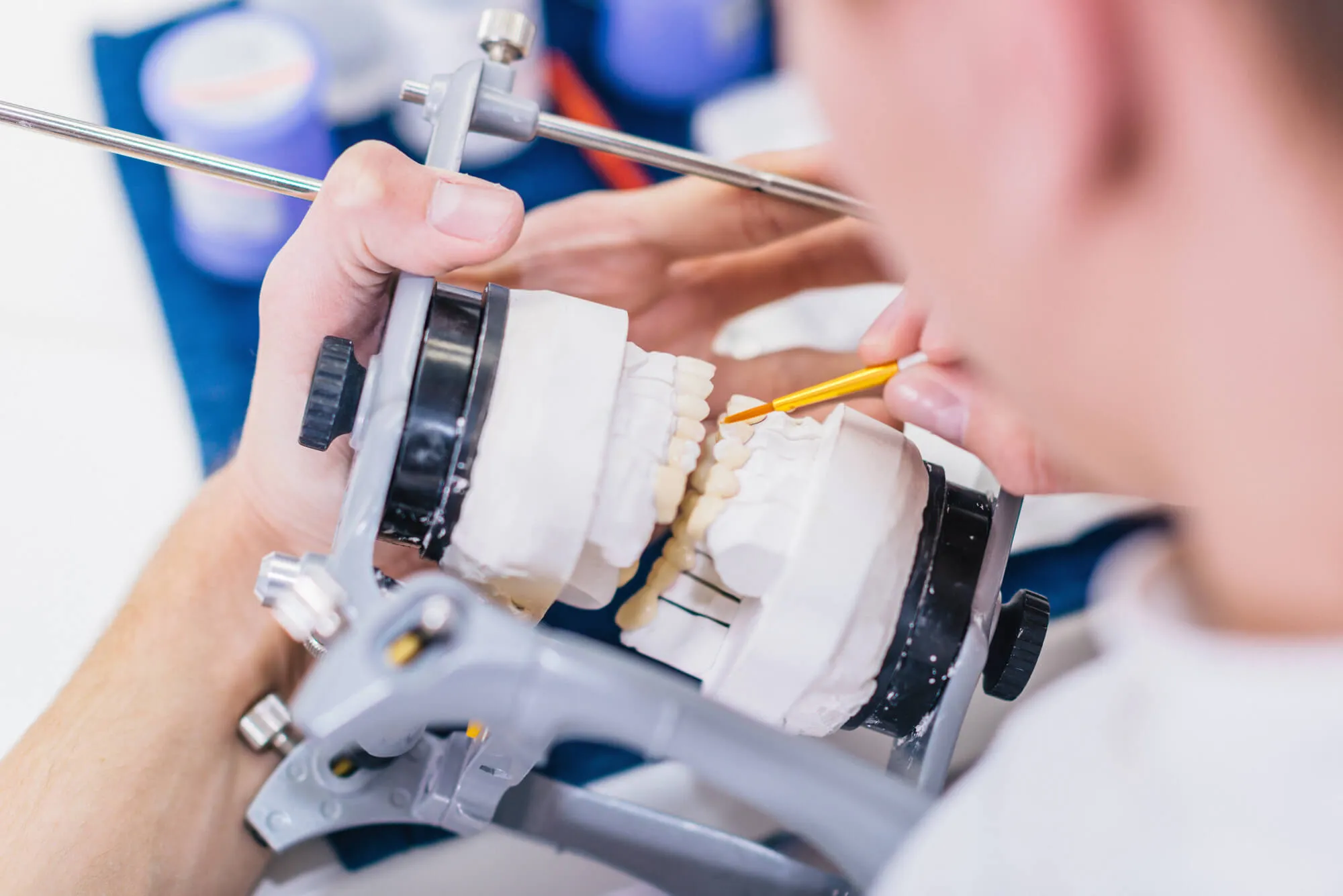
A missing tooth does not affect every patient in the same way. Some notice food is becoming harder to chew. Others feel a shift in their bite or see small gaps forming between nearby teeth. Over time, even a single missing tooth can affect how the entire mouth functions. Determining the right replacement requires more than filling a space. A prosthodontist in Orlando evaluates bite alignment, bone structure, and oral health before recommending a treatment designed to restore comfort, stability, and a balanced smile.
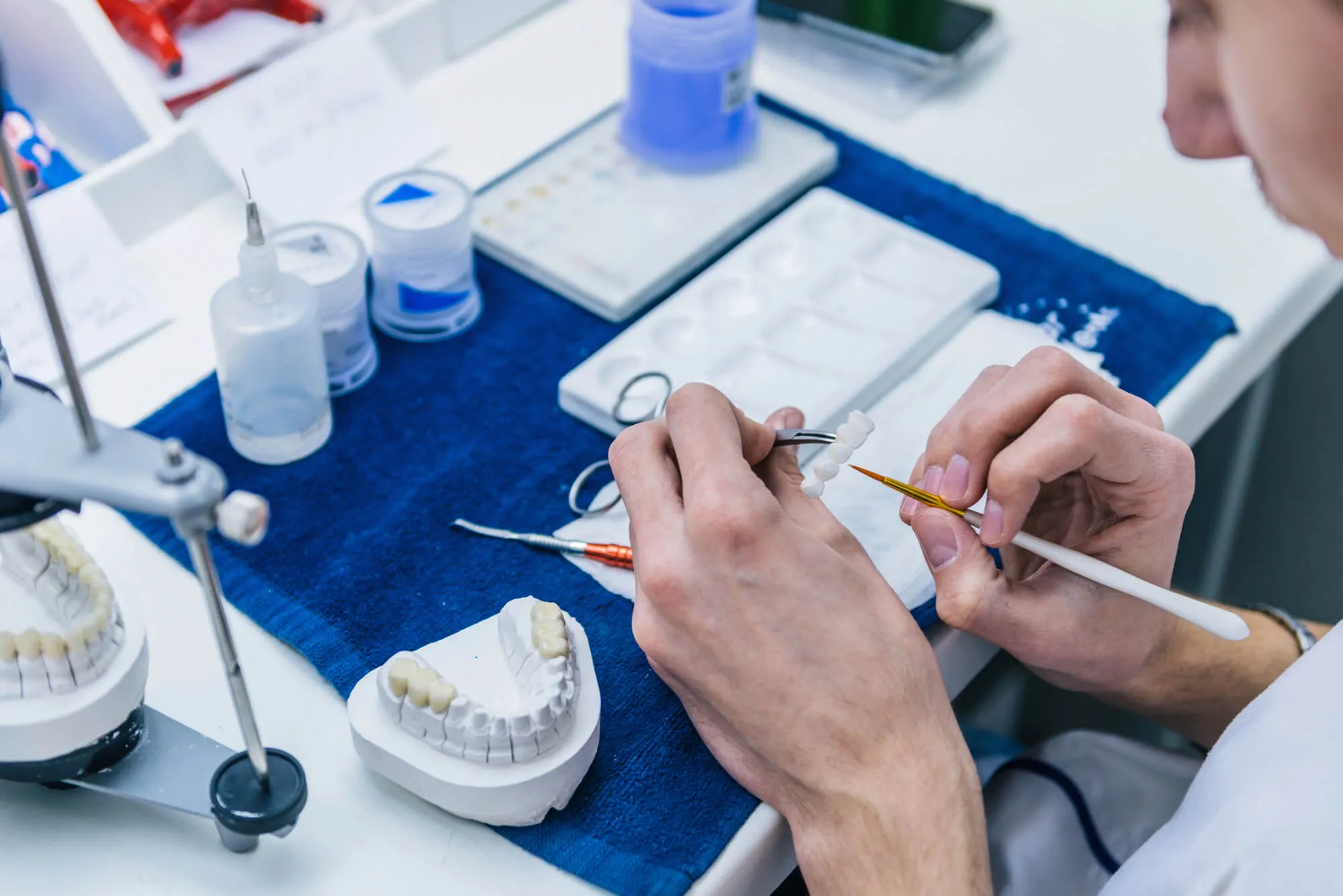
Replacing a tooth involves more than restoring appearance. Teeth operate as a coordinated system. Each tooth helps distribute pressure during chewing and supports proper alignment. When one is missing, neighboring teeth may shift, chewing pressure can change, and the bite may feel uneven.
A prosthodontist focuses on restoring this balance. During an evaluation, several factors help guide the recommended treatment:
These details help determine which restoration will function comfortably while supporting long-term oral stability. Some cases involve replacing a single tooth, while others require restoring multiple teeth or a full arch.
Dental implants are commonly recommended for replacing a single missing tooth. An implant acts as an artificial root placed in the jawbone. After the implant integrates with the bone, a custom crown restores the visible portion of the tooth.
Implants may be recommended for patients who:
The implant anchors securely within the bone, providing strong support during chewing. This structure allows the restoration to handle everyday biting forces while maintaining stability.
Another benefit involves preserving nearby teeth. A bridge typically requires support from adjacent teeth, while an implant stands independently. This allows the surrounding natural teeth to remain untouched.
Prosthodontists also design implant crowns carefully, so the shape, color, and contour match the surrounding teeth. This attention to detail allows the restoration to fit naturally within the smile.
After an implant heals and integrates with the bone, the prosthodontist places a crown on top of the implant. This crown replicates the shape and function of a natural tooth.
Advanced ceramic materials allow the restoration to reflect light similarly to natural enamel. The prosthodontist shapes the crown to match neighboring teeth, so the restoration looks balanced within the smile.
The bite also receives careful attention. Each crown is adjusted so that chewing pressure is distributed evenly across the teeth. Balanced pressure helps prevent excessive wear on the restoration and surrounding teeth.
With proper care and regular dental visits, implant crowns can provide reliable function for years.
Dental bridges replace missing teeth by using neighboring teeth for support. A prosthetic tooth fills the gap while crowns anchor the bridge to the adjacent teeth.
This option may be recommended when:
The prosthodontist prepares the adjacent teeth so crowns can secure the bridge. Digital impressions allow precise fabrication of the restoration, so it fits comfortably within the bite.
Bridges help restore chewing ability and prevent nearby teeth from drifting into the space left by the missing tooth.
Patients with bridges must maintain good oral hygiene around the restoration. Specialized flossing tools help clean beneath the prosthetic tooth, keeping the gums healthy.
When several teeth are missing in the same area, dental implants may support restorations that replace multiple teeth. This approach can restore function while reducing strain on neighboring teeth.
Implants may be recommended in these situations when:
The prosthodontist carefully plans implant placement using digital imaging. Proper positioning allows the restorations to align with the bite and surrounding teeth.
This type of treatment allows chewing forces to transfer through the implants and into the jawbone rather than placing stress on natural teeth.
Restorations supported by implants help restore chewing ability while maintaining balance within the bite.
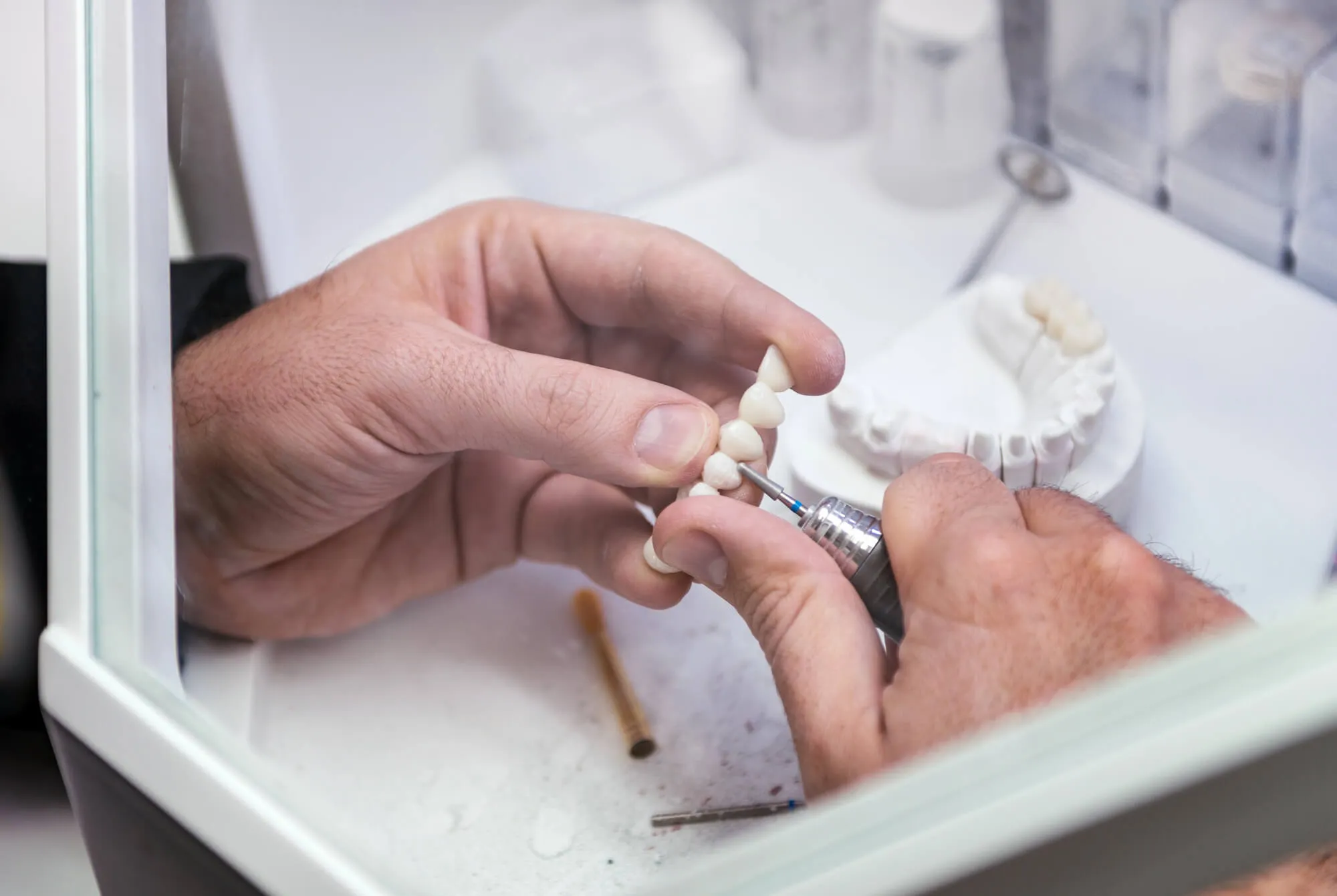
Traditional dentures rest directly on the gums and may shift while eating or speaking. Implant-supported dentures attach to dental implants placed in the jawbone.
This treatment may benefit patients who:
Implants act as anchors that secure the denture in place. This added support can reduce movement and improve chewing comfort.
Depending on the design, implant-supported dentures may still be removable for cleaning. The prosthodontist determines the best attachment system based on the patient’s oral structure and daily habits.
Permanent dentures provide another implant-supported solution for replacing an entire arch of teeth. Unlike removable dentures, these restorations remain fixed in place.
Permanent dentures help restore:
The prosthodontist designs the prosthetic teeth to complement the patient’s facial proportions and smile. Implant support allows the restoration to remain stable throughout daily activities.
Regular professional maintenance and good oral hygiene help protect the implants and surrounding tissues.
Several clinical factors determine which tooth replacement option will work best.
A single missing tooth may be replaced with an implant and a crown. Multiple missing teeth may involve bridges or implant-supported restorations. Full-arch tooth loss may require implant dentures or All-on-4® treatment.
Dental implants require adequate bone support. Digital imaging allows the prosthodontist to evaluate the jawbone and determine whether implants can be placed safely.
Healthy gums provide support for restorations and implants. Patients with gum disease may need periodontal care before restorative treatment begins.
Balanced bite alignment helps restorations function comfortably. Prosthodontists carefully design restorations to distribute chewing forces evenly.
Some patients prefer removable restorations, while others prefer fixed options that remain in place. Treatment recommendations often reflect both clinical findings and patient preferences.
Modern restorative dentistry allows missing teeth to be replaced with durable, natural-looking restorations. Prosthodontic treatment focuses on rebuilding both appearance and function so patients can eat, speak, and smile comfortably.
Careful treatment planning helps restorations integrate with the surrounding teeth, jaw structure, and facial proportions. This precision allows restorations to function naturally within the mouth.
Working with a prosthodontist allows the entire restoration process to be designed with long-term oral health in mind.
Altamonte Implant & Cosmetic Dentistry provides advanced prosthodontic care designed to restore comfort, strength, and confidence in every smile. The practice offers comprehensive tooth replacement treatments, including dental implants, implant crowns, bridges, implant-supported dentures, permanent dentures, and All-on-4® full-arch implant restorations.
Each treatment plan begins with a detailed evaluation of oral health, bone structure, and bite alignment. This careful approach allows restorations to support long-term function while maintaining natural aesthetics.
If missing teeth are affecting how you eat, speak, or smile, Altamonte Implant & Cosmetic Dentistry provides prosthodontic care designed to rebuild stability and restore a healthy smile. Schedule a consultation to learn which tooth replacement option may be recommended for your needs.
"Nobel Biocare, NobelProcera, NobelGuide and All-on-4 are trademarks of the Nobel Biocare group."

– Dr. Atila C. Miranda, DDS –
(407) 831-4008752 Stirling Center Pl STE 1000,


*THE CONTENT/IMAGES ON THIS WEBSITE ARE NOT A GUARANTEE OF INDIVIDUAL RESULTS. INDIVIDUAL RESULTS MAY VARY. THE INFORMATION PROVIDED ON THIS SITE IS FOR GENERAL INFORMATIONAL PURPOSES ONLY, AND DOES NOT REPLACE THE NEED FOR A FORMAL CONSULTATION.