
Recovery is an important part of the All-on-4® treatment process, yet it's often the stage patients know the least about. While your new smile begins taking shape soon after the procedure, your mouth needs time to heal and adapt. Patients researching all on four dental implants in Orlando often have questions about what recovery involves, how long it takes, and when everyday activities can resume.
Understanding each phase of recovery can help you approach treatment with realistic expectations and greater confidence.
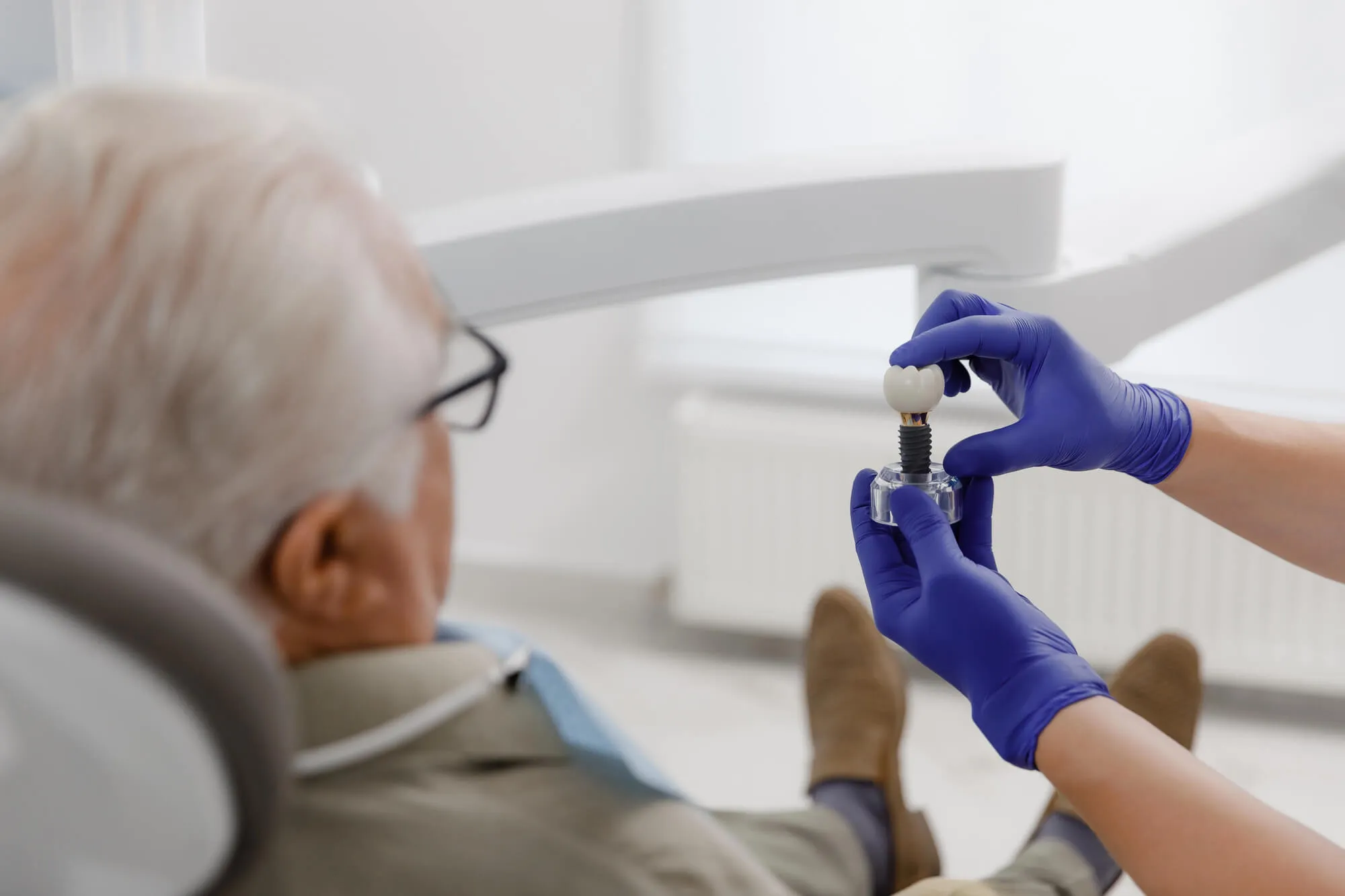
The first 24 to 48 hours are typically focused on allowing your body to begin healing.
It is common to experience:
These responses are a normal part of the healing process and usually improve over the next several days.
Following your dentist's post-operative instructions during this period plays an important role in supporting healing and helping you stay comfortable.
Your body heals more efficiently when given time to recover.
Most patients benefit from:
Taking it easy during the first few days helps minimize unnecessary stress on the surgical sites.
Many patients receive a temporary restoration shortly after implant placement. This allows you to leave the office with a functional smile while your implants heal.
Although your temporary teeth look natural, they are designed to protect the implants during the healing phase rather than withstand excessive chewing forces.
During the first week, you may notice:
These changes typically become less noticeable as your mouth adapts.
One of the most important aspects of recovery is following the dietary recommendations provided by your dental team.
Dental implants need time to bond with the jawbone through a natural process called osseointegration. During this period, placing too much pressure on the implants may interfere with healing.
Soft food options often include:
As healing progresses, your dentist will gradually recommend expanding your diet.
Certain foods may place unnecessary stress on the implants or irritate healing tissues.
Your dentist may recommend avoiding:
Following these recommendations helps provide the implants with a stable environment while they integrate with the bone.
One of the most important milestones after All-on-4® treatment happens beneath the surface.
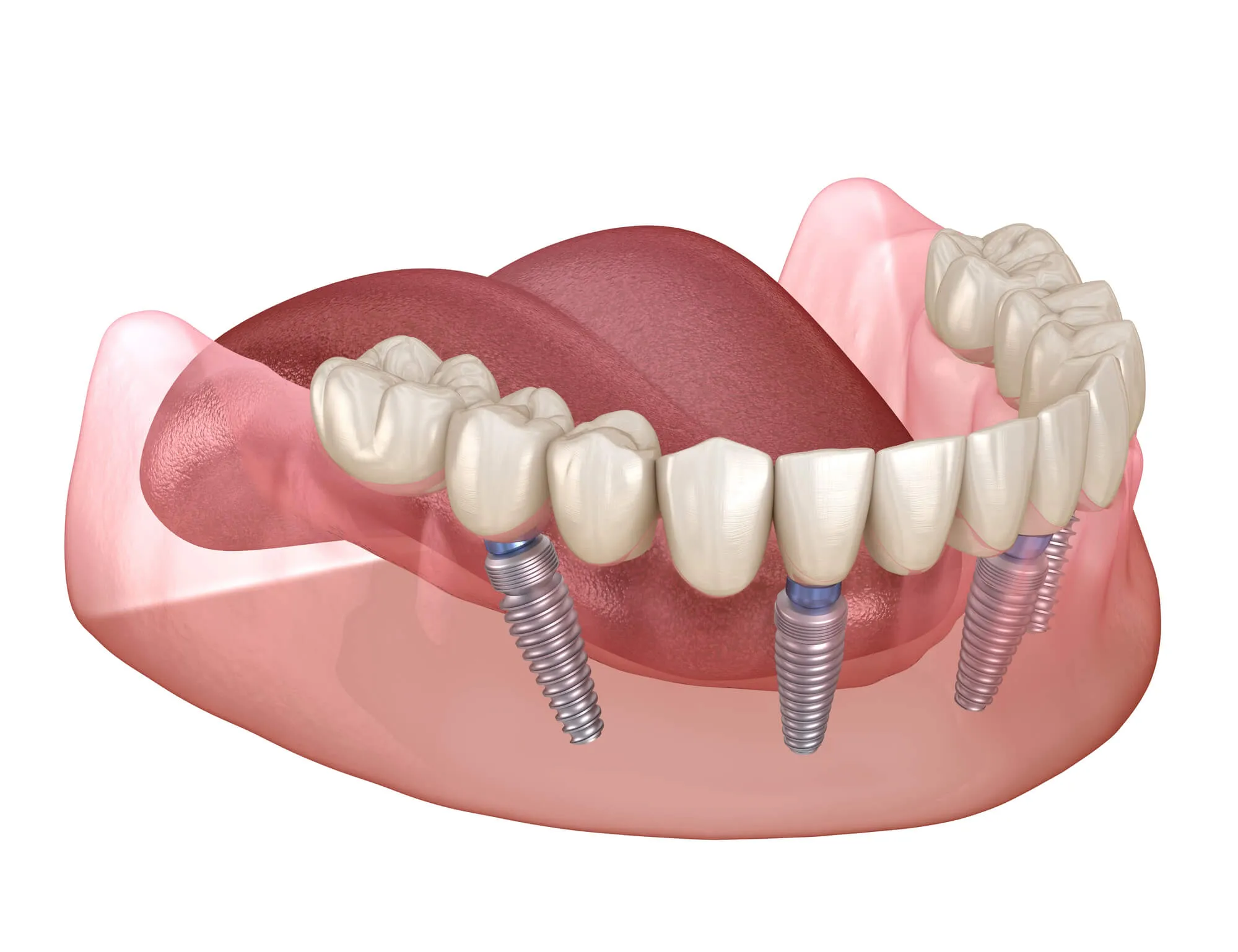
Osseointegration is the process in which the jawbone gradually fuses with the titanium implant posts. This creates the stable foundation that allows implants to function much like natural tooth roots.
Unlike healing from a cut or scrape, osseointegration cannot be rushed. It takes time for the bone to establish a secure connection with each implant.
While you may feel much better after several weeks, healing continues internally for several months.
Several factors influence recovery, including:
Your dentist will monitor healing throughout the process to determine when your final restoration can be placed.
Good oral hygiene remains essential after implant surgery, even while your mouth is healing.
Your dentist will explain how to clean around your temporary restoration without disturbing the surgical sites.
Depending on your stage of recovery, recommendations may include:
Maintaining a clean oral environment helps reduce bacterial buildup and supports healthy healing.

Recovery doesn't end when you leave the dental office.
Scheduled follow-up appointments allow your dentist to:
These visits also help identify any concerns early so they can be addressed promptly.
Most patients are able to return to light daily activities within a few days, although strenuous exercise is often postponed until your dentist determines it is appropriate.
Your return to normal activities depends on several factors, including:
Following your dentist's recommendations helps support a smoother recovery and protects your investment in your new smile.
Once your implants have fully integrated with the jawbone, your temporary restoration will be replaced with your custom-made final prosthesis.
This stage is exciting because your permanent teeth are designed for improved durability, comfort, and function. Your dentist will carefully evaluate your bite and make any necessary adjustments to help your restoration fit comfortably.
Although many patients adapt quickly, it is normal to experience a short adjustment period as your tongue, cheeks, and muscles become accustomed to the new restoration.
Over time, everyday activities such as eating, speaking, and smiling often begin to feel more natural.
All-on-4® dental implants are designed to provide long-lasting support, but they still require consistent care.
Unlike natural teeth, implant restorations cannot develop cavities. However, the surrounding gums and bone remain susceptible to inflammation if plaque is allowed to accumulate.
A daily oral hygiene routine should include:
Routine maintenance allows your dental team to monitor both the implants and the surrounding tissues, helping support long-term oral health.
Healing after All-on-4® treatment is a gradual process rather than an overnight transformation. While many patients notice improvements in comfort and confidence early on, the implants continue integrating with the jawbone for several months.
By following your dentist's instructions, maintaining good oral hygiene, attending follow-up appointments, and allowing your body adequate time to heal, you're giving your new smile the support it needs throughout every stage of recovery.
Understanding what to expect can make the experience feel less overwhelming and help you approach each milestone with greater confidence.
Most patients begin feeling more comfortable within the first one to two weeks. However, the implants typically require several months to fully integrate with the jawbone before the final restoration is placed. Your dentist will monitor your healing and provide a timeline based on your individual progress.
Many patients receive a temporary restoration on the same day or shortly after implant placement. This allows you to leave with a functional smile while your implants heal and prepare for the permanent restoration.
Yes. Mild to moderate swelling, bruising, and tenderness are common during the first few days after surgery. These symptoms generally improve gradually as healing progresses.
Your dentist will recommend transitioning back to firmer foods as healing progresses. The timing varies from patient to patient and depends on how well the implants are integrating with the jawbone.
Your dentist will demonstrate the best cleaning techniques for your stage of recovery. This may include specialized brushes, flossing aids, or antimicrobial rinses designed to help keep the implants and surrounding tissues clean.
Recovery is an important part of achieving a healthy, functional smile after All-on-4® treatment. Understanding what to expect and following your personalized care instructions can help support a smoother healing process. At Altamonte Implant & Cosmetic dentistry, we take the time to listen to your concerns, explain every stage of treatment, and create a plan tailored to your needs and goals. Schedule a consultation with our team to learn more about All-on-4® treatment and explore your tooth replacement options.
"Nobel Biocare, NobelProcera, NobelGuide and All-on-4 are trademarks of the Nobel Biocare group."

– Dr. Atila C. Miranda, DDS –
(407) 831-4008752 Stirling Center Pl STE 1000,


*THE CONTENT/IMAGES ON THIS WEBSITE ARE NOT A GUARANTEE OF INDIVIDUAL RESULTS. INDIVIDUAL RESULTS MAY VARY. THE INFORMATION PROVIDED ON THIS SITE IS FOR GENERAL INFORMATIONAL PURPOSES ONLY, AND DOES NOT REPLACE THE NEED FOR A FORMAL CONSULTATION.