
For patients exploring same day dental implants in Orlando, the promise of restoring teeth in a single visit can sound both exciting and overwhelming. While immediate implant placement offers clear convenience, it also requires careful planning behind the scenes. One of the most important steps in this process is a detailed evaluation of jaw health.
Dental implants rely on the jawbone for stability, strength, and long-term function. Before same-day placement is considered, dentists take time to assess the condition of the bone, surrounding tissues, bite forces, and overall oral health. This evaluation helps determine whether immediate placement is appropriate and, just as importantly, whether it supports long-term comfort and performance.
Understanding how jaw health is evaluated can help patients feel more confident about the process and the recommendations made during consultation.

Before reviewing how jaw health is assessed, it helps to understand how traditional and same-day dental implant approaches differ in timing and planning.
Neither option is inherently better; selection depends on anatomy and oral health. This distinction highlights why jaw assessment matters.
Dental implants are designed to integrate with the jawbone, creating a stable foundation for replacement teeth. Unlike removable options that sit on top of the gums, implants depend on the quality and strength of the underlying bone to remain secure.
In same-day implant placement, this foundation becomes even more important. Because implants are placed and restored within a short timeframe, dentists must confirm that the jaw can provide immediate stability while supporting healing over time. Jaw health influences how well implants anchor, how forces are distributed during chewing, and how comfortably the restoration functions day to day.
A thorough evaluation allows clinicians to plan treatment that respects the natural structure of the jaw rather than rushing placement where conditions may not yet be suitable.
Every jaw health assessment begins with a detailed review of a patient’s dental and medical history. This information helps identify factors that may influence bone quality, healing response, and overall treatment planning.
Dentists review prior tooth loss, history of gum disease, past dental procedures, and any ongoing oral health concerns. Medical conditions such as diabetes, autoimmune disorders, or bone-related conditions can influence how the jaw responds to implant placement. Certain medications may also affect bone metabolism or soft tissue healing.
This step provides important context and helps guide decisions about imaging, timelines, and whether same-day placement is appropriate.
A hands-on examination allows dentists to assess the jaw and surrounding tissues directly. During this evaluation, the dentist checks gum health, tissue thickness, jaw alignment, and any signs of inflammation or infection.
Healthy gums play a significant role in implant success. Inflammation, active periodontal concerns, or poor tissue quality may increase the risk of complications if implants are placed immediately. Dentists also assess jaw movement and muscle function to understand how forces are distributed when the mouth opens and closes.
This clinical assessment helps identify whether any issues should be addressed before implant placement proceeds.
Modern implant planning relies heavily on advanced imaging. Three-dimensional scans provide detailed insight into the jaw’s structure, revealing information that cannot be seen with traditional X-rays alone.
These scans allow dentists to measure bone height and width, evaluate bone density, and locate important anatomical structures such as nerves and sinus cavities. This information helps guide implant positioning and reduces the likelihood of complications during placement.
Advanced imaging also supports precision planning, especially for same-day implant procedures where accuracy plays a critical role in immediate stability.
Bone health involves both density and volume. Density refers to how strong and compact the bone is, while volume refers to how much bone is available at the implant site. Both are essential for supporting dental implants.
If bone density is insufficient, implants may not achieve the initial stability needed for same-day placement. If bone volume is limited, there may not be enough structure to support the implant at all. In these cases, additional preparatory steps such as bone grafting may be recommended before implants are placed.
This evaluation allows dentists to determine whether immediate placement supports predictable outcomes or whether a staged approach would be more appropriate.
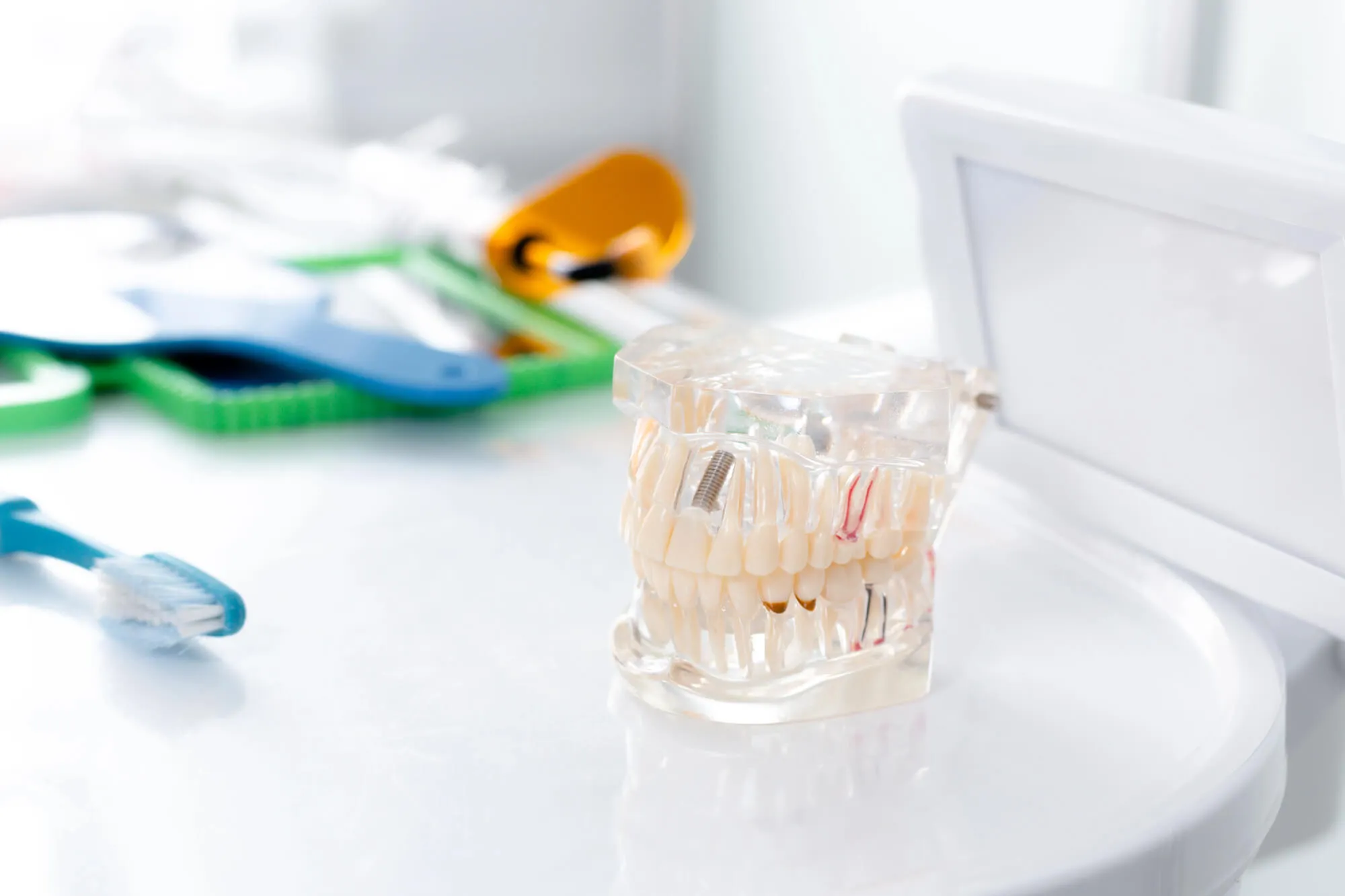
Jaw health is not only about bone structure. How the teeth come together — known as occlusion — plays a significant role in implant planning. Dentists evaluate bite alignment and chewing forces to understand how pressure will be applied to implants once they are placed.
Uneven bite forces, clenching, or grinding can place excess stress on implants, particularly during early healing.
If these factors are present, the dentist may recommend adjustments to the temporary restoration or additional protective measures to support implant stability.
This assessment helps create a balanced bite that supports comfort and long-term function.
The health and quality of soft tissues around the implant site influence both healing and appearance. Dentists evaluate gum thickness, tissue contour, and overall condition to determine how well the tissues can support the implant and restoration.
Healthy soft tissue helps protect the implant from bacteria, supports healing, and contributes to a natural-looking result. If tissue concerns are identified, they may be addressed as part of the overall treatment plan to support long-term stability.
Once all evaluations are complete, dentists combine this information into a personalized treatment plan. This plan outlines whether same-day placement is suitable, what type of implant and restoration are recommended, and what steps are needed before or after placement.
Patients are guided through the findings in clear, understandable terms, allowing them to make informed decisions about their care. This collaborative approach helps align expectations and supports confidence throughout the process.
In some cases, jaw health findings suggest that immediate implant placement may not be the most predictable option. Active gum disease, insufficient bone, or high bite forces may indicate that a staged approach would offer better long-term support.
Deferring placement does not mean implants are off the table. Instead, it allows time for preparatory steps that strengthen the jaw and create a more stable foundation for future placement.
Evaluating jaw health before same-day implant placement protects both short-term comfort and long-term performance. It allows dentists to plan with precision, reduce risk, and tailor care to each patient’s unique needs.
This thoughtful approach ensures that implants are placed under conditions that support stability, function, and confidence — rather than rushing treatment for the sake of convenience.

If you are interested in learning whether your jaw health supports same day dental implants, a comprehensive consultation can offer helpful clarity and guidance. This visit allows time to review your oral health history, assess bone and tissue conditions, and discuss how different implant approaches may align with your needs and goals.
At Altamonte Implant & Cosmetic Dentistry, the focus is on careful evaluation, advanced planning, and patient-centered care.
Scheduling a consultation gives you the opportunity to ask questions, understand your options, and gain a clear picture of what to expect before moving forward with treatment.

– Dr. Atila C. Miranda, DDS –
(407) 831-4008752 Stirling Center Pl STE 1000,


*THE CONTENT/IMAGES ON THIS WEBSITE ARE NOT A GUARANTEE OF INDIVIDUAL RESULTS. INDIVIDUAL RESULTS MAY VARY. THE INFORMATION PROVIDED ON THIS SITE IS FOR GENERAL INFORMATIONAL PURPOSES ONLY, AND DOES NOT REPLACE THE NEED FOR A FORMAL CONSULTATION.