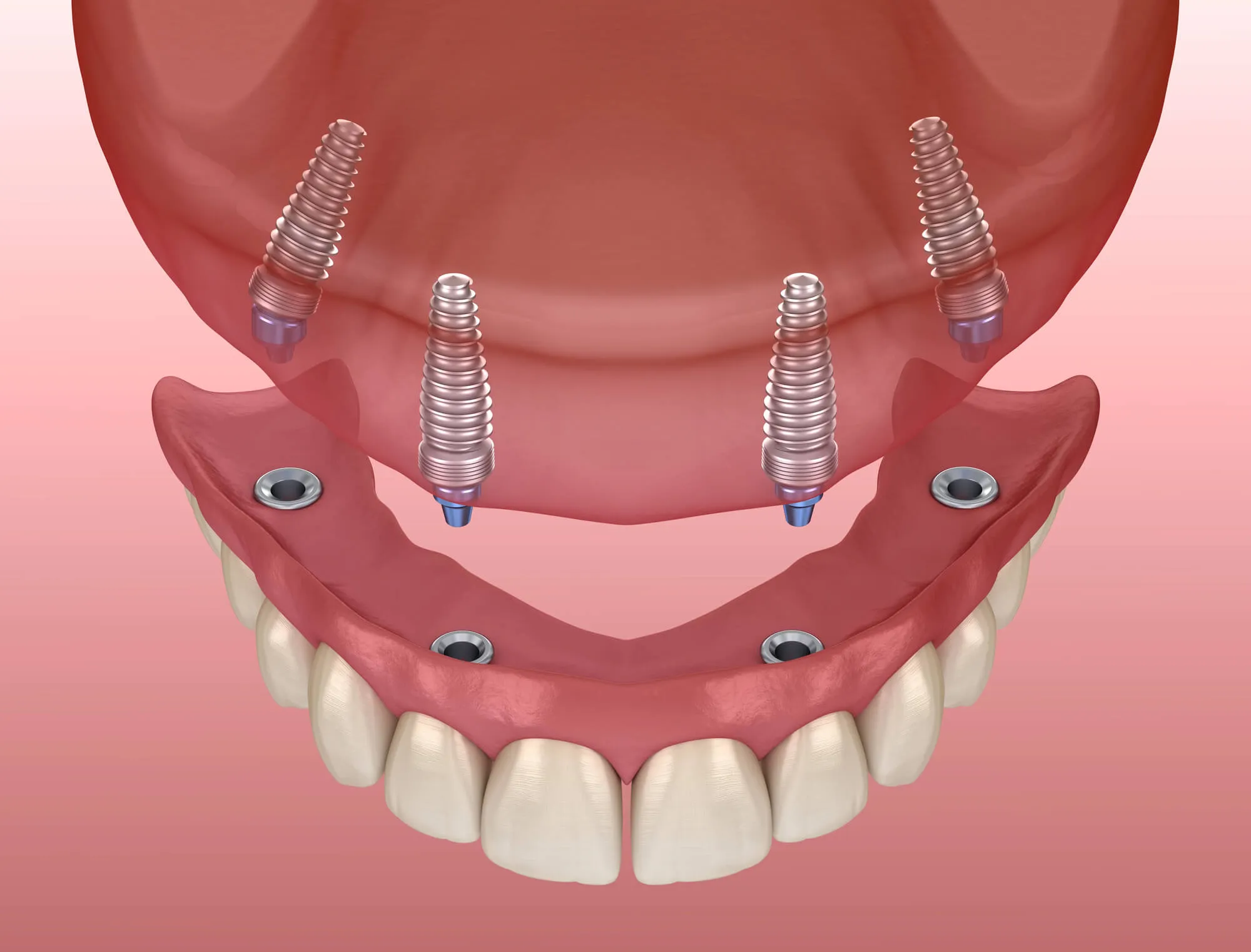
Restoring a full arch of missing teeth involves more than choosing a prosthetic appliance. Dentists examine bone support, gum health, bite alignment, and long-term stability before recommending treatment. Some patients function well with removable dentures, while others benefit from implant-supported permanent dentures anchored in the jawbone. Those researching Orlando dentures and implants often want to know how dentists determine which option offers the most reliable function and comfort over time.
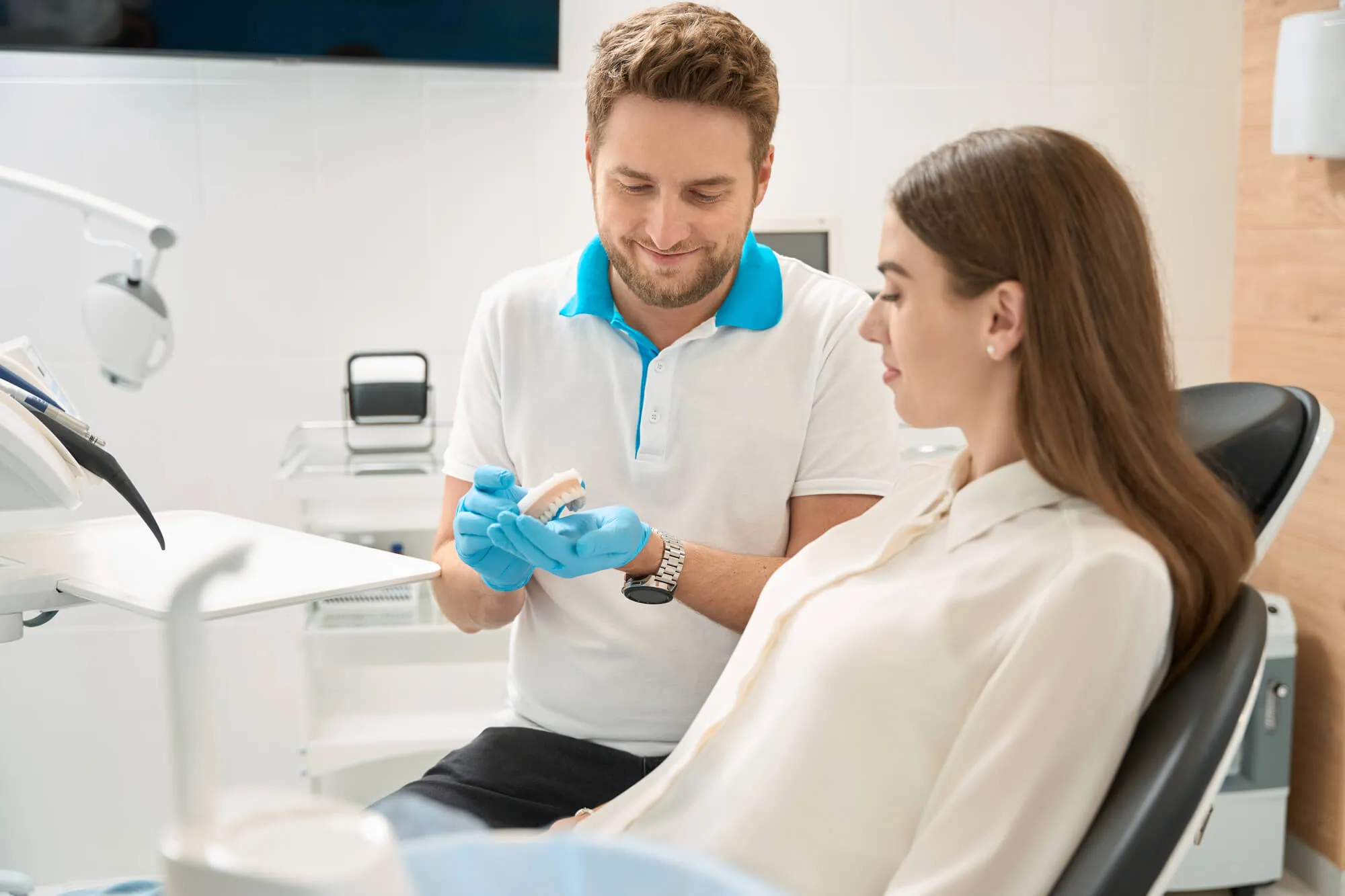
Selecting the most appropriate tooth replacement option involves careful clinical analysis. Permanent dentures supported by implants and traditional removable dentures restore chewing ability and appearance, yet they rely on different biological foundations. Dentists evaluate several factors before recommending one treatment over the other.
The condition of the jawbone strongly influences treatment planning. After teeth are lost, the bone no longer receives stimulation from natural tooth roots. Over time, the bone can shrink in height and width, a process known as bone resorption.
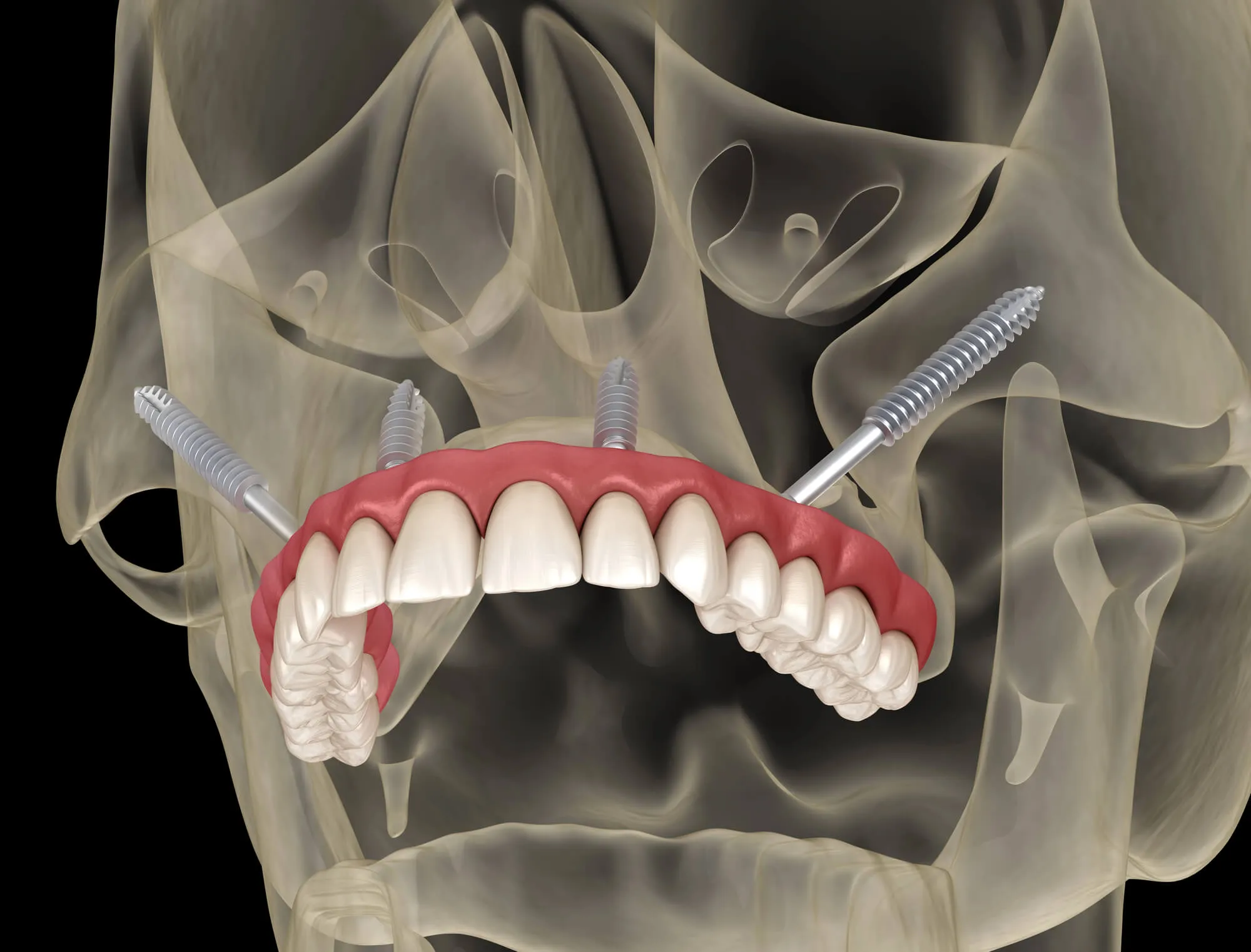
Permanent dentures rely on dental implants that anchor directly into the jawbone. Adequate bone density allows these implants to remain stable as chewing forces transfer into the bone. Dentists assess bone structure using digital imaging such as cone beam CT scans. These scans reveal bone thickness, nerve position, and anatomical landmarks that guide implant placement.
When bone volume is limited, additional procedures such as bone grafting may be discussed before implant placement. These treatments help rebuild the foundation needed to support implant-supported dentures.
Traditional dentures do not require implants. Instead, they rest on the gums and underlying bone ridge. Because they rely on soft tissue rather than implant anchors, removable dentures remain an option even when bone levels have changed significantly after tooth loss.
Functional stability plays an important role in choosing between treatment options. Dentists evaluate how the upper and lower teeth interact during chewing, swallowing, and speech.
Implant-supported permanent dentures attach securely to implants placed within the jawbone. This connection allows chewing forces to distribute through the bone in a way that resembles natural tooth roots. As a result, implant-supported dentures often provide strong bite stability and predictable chewing comfort.
Traditional dentures depend on suction and muscle coordination to remain in position. Many patients adapt successfully to this design, especially when dentures are carefully fitted. Still, certain foods may feel more difficult to chew, and some individuals notice slight movement during speaking or laughing.
Dentists consider daily habits, eating patterns, and speech concerns when recommending which option may offer better functional performance.
Jawbone preservation is another factor dentists review during treatment planning. Natural teeth stimulate the bone each time a person chews. Without that stimulation, the bone beneath missing teeth may gradually change shape.
Dental implants help restore this stimulation. Once implants integrate with the jawbone, chewing forces travel through them and encourage the bone to maintain its density. Implant-supported permanent dentures therefore help support the underlying bone structure over time.
Removable dentures do not transmit pressure to the bone in the same way. Because they sit on top of the gums, the bone underneath may slowly resorb. Dentists monitor these changes during routine exams and may recommend adjustments or relining procedures to maintain a comfortable fit.
Understanding how each treatment interacts with bone health helps dentists guide patients toward options that align with their long-term goals.
Healthy gum tissue supports both removable dentures and implant-supported restorations. Dentists carefully examine the condition of the gums before recommending treatment.
Permanent dentures require implants that pass through gum tissue and integrate with the bone. Healthy gums contribute to proper healing around these implants and help create a protective seal against bacteria.
Traditional dentures rely heavily on soft tissue support. The denture base rests directly on the gums, so the contours of the gum ridge must distribute pressure evenly. Dentists evaluate gum thickness and shape to design dentures that fit comfortably across the arch.
If gum inflammation or periodontal disease is present, treatment may be recommended before either restoration is placed.
A patient’s overall health can influence how the mouth responds to dental treatment. Dentists review medical history carefully before recommending implant-supported dentures.
Conditions affecting bone metabolism, circulation, or immune response may influence healing timelines for implants. Certain medications can also affect bone remodeling. These factors do not automatically prevent implant placement, yet they guide treatment planning.
Traditional dentures may be recommended for individuals who prefer a non-surgical option or who have medical conditions that make implant procedures less suitable.
Discussing health history openly allows dentists to recommend options that support both oral health and overall well-being.
Daily care routines differ between removable dentures and permanent dentures. Dentists explain these routines so patients can select the option that fits their lifestyle.
Permanent dentures remain attached to implants and function similarly to natural teeth. Patients brush around the prosthetic teeth and attend routine dental visits for professional cleanings and implant monitoring.
Traditional dentures are removed for cleaning. Patients brush the denture appliance and soak it overnight to maintain hygiene. Removing dentures during sleep also allows gum tissues to rest.
Both approaches require consistent oral care. Dentists help patients choose the option that feels manageable and comfortable within their daily routines.
Long-term durability also influences treatment decisions. Dental implants supporting permanent dentures are designed for stability and long-term performance. The prosthetic teeth attached to the implants may eventually require maintenance due to normal wear, yet the implant foundations can remain stable for many years when properly maintained.
Traditional dentures may require periodic adjustments as the shape of the gums and jawbone changes over time. Dentists may recommend relining the denture base or replacing the appliance after several years to maintain proper fit.
Regular dental visits allow dentists to evaluate both types of restorations and maintain their function.
Lifestyle preferences can also shape treatment recommendations. Some patients prefer a fixed restoration that remains in place throughout the day. Others feel more comfortable with a removable appliance that can be cleaned outside the mouth.
Eating habits, speech demands, and professional activities may influence which option feels most practical. Dentists discuss these lifestyle factors during consultations to ensure that treatment aligns with daily routines.
Advanced imaging technologies provide detailed insight into the oral structures involved in treatment planning. Cone beam CT imaging allows dentists to examine bone density, nerve pathways, and sinus anatomy with high precision.
These images help determine whether implants can be placed safely and how many implants may be required to support permanent dentures. For removable dentures, digital impressions help create appliances that match the contours of the gum ridge accurately.
Diagnostic planning supports predictable outcomes and improves long-term stability.
Both permanent dentures and traditional dentures benefit from ongoing dental care. During follow-up visits, dentists monitor:
Regular evaluations help maintain comfort and function while addressing small changes before they become larger concerns.
Dentists view tooth replacement not as a single procedure but as part of a broader approach to maintaining oral health.

Choosing between permanent dentures and traditional dentures involves careful evaluation of bone support, gum health, lifestyle needs, and long-term oral stability. A consultation provides the opportunity to review these factors in detail and determine which option aligns best with your goals.
At Altamonte Implant & Cosmetic Dentistry, treatment planning focuses on advanced diagnostics, personalized care, and lasting oral health. Our team provides implant-supported permanent dentures designed to restore stability, chewing comfort, and natural-looking smiles while guiding patients through every stage of treatment.
If you are considering permanent dentures, scheduling a consultation allows you to review your oral health, discuss treatment options, and determine whether permanent dentures or traditional dentures offer the most reliable solution for restoring your smile and daily comfort.

– Dr. Atila C. Miranda, DDS –
(407) 831-4008752 Stirling Center Pl STE 1000,


*THE CONTENT/IMAGES ON THIS WEBSITE ARE NOT A GUARANTEE OF INDIVIDUAL RESULTS. INDIVIDUAL RESULTS MAY VARY. THE INFORMATION PROVIDED ON THIS SITE IS FOR GENERAL INFORMATIONAL PURPOSES ONLY, AND DOES NOT REPLACE THE NEED FOR A FORMAL CONSULTATION.