
If you've started researching Orlando dentures and implants, you've probably noticed there's no shortage of information—and sometimes, the answers can feel overwhelming. One source says dentures are the practical choice, while another highlights the long-term benefits of dental implants. With so many opinions available, it's understandable to have questions before deciding what fits your needs. Learning the facts behind each option can make it easier to understand the differences and have a more productive conversation with your dentist.
A missing tooth does more than leave a gap in your smile. Over time, it can affect your oral health in several ways. Adjacent teeth may begin to shift, your bite can change, and chewing may become less comfortable. Missing multiple teeth may also contribute to changes in facial appearance as the jawbone gradually loses stimulation.
Replacing missing teeth can help:
Today's tooth replacement options are designed to restore both function and appearance, allowing patients to enjoy everyday activities with greater comfort.
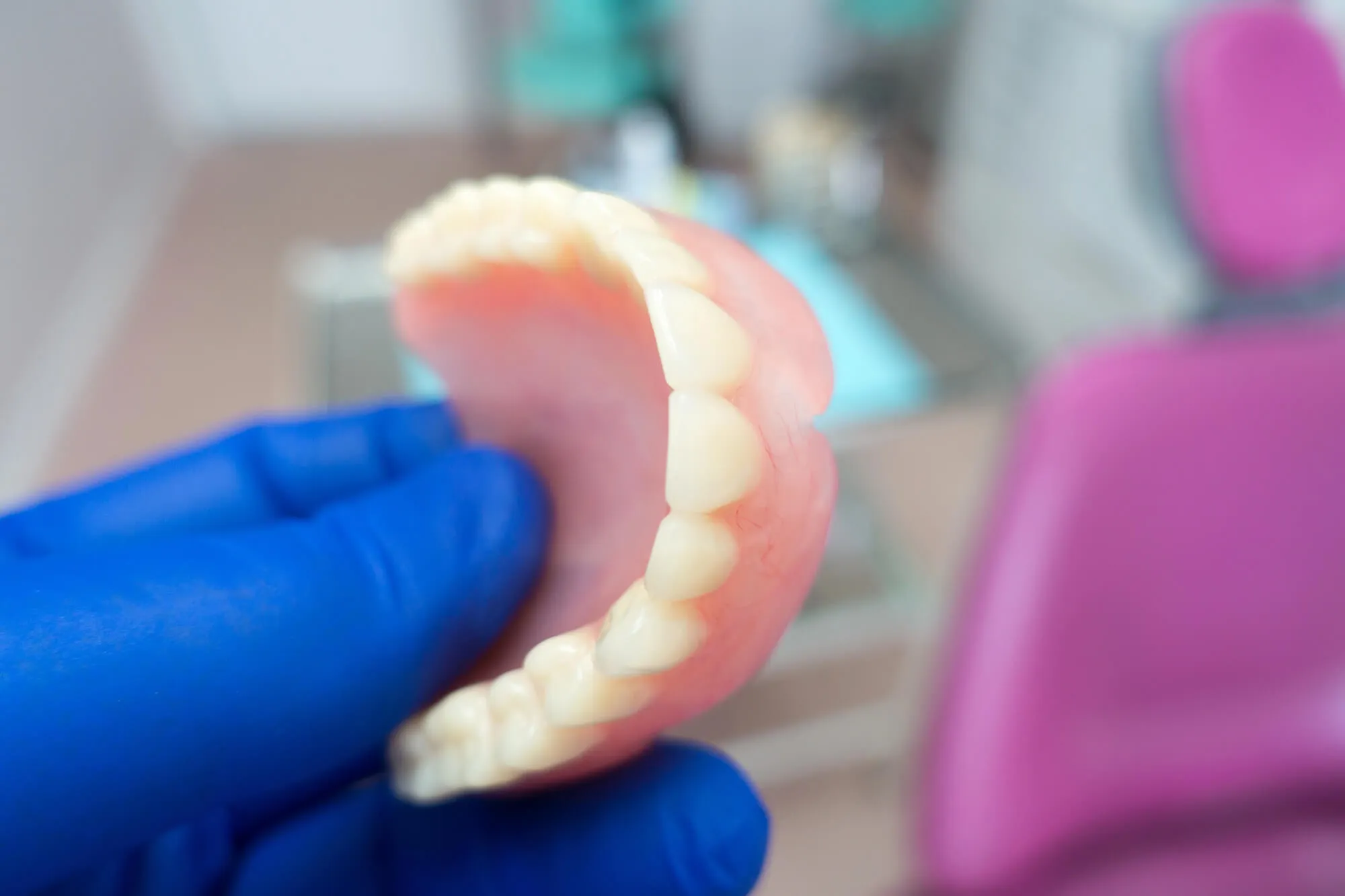
Dentures are removable appliances that replace several or all missing teeth. Modern dentures are custom-made to fit comfortably and closely resemble natural teeth and gums.
Depending on your needs, your dentist may recommend:
Complete dentures replace an entire upper or lower arch when all natural teeth are missing. They rest on the gums and are carefully designed to create a balanced, natural-looking smile.
Partial dentures are used when some healthy natural teeth remain. They fill the spaces created by missing teeth while helping prevent neighboring teeth from shifting.
Many patients appreciate dentures because they provide an effective way to restore their smile without surgery.
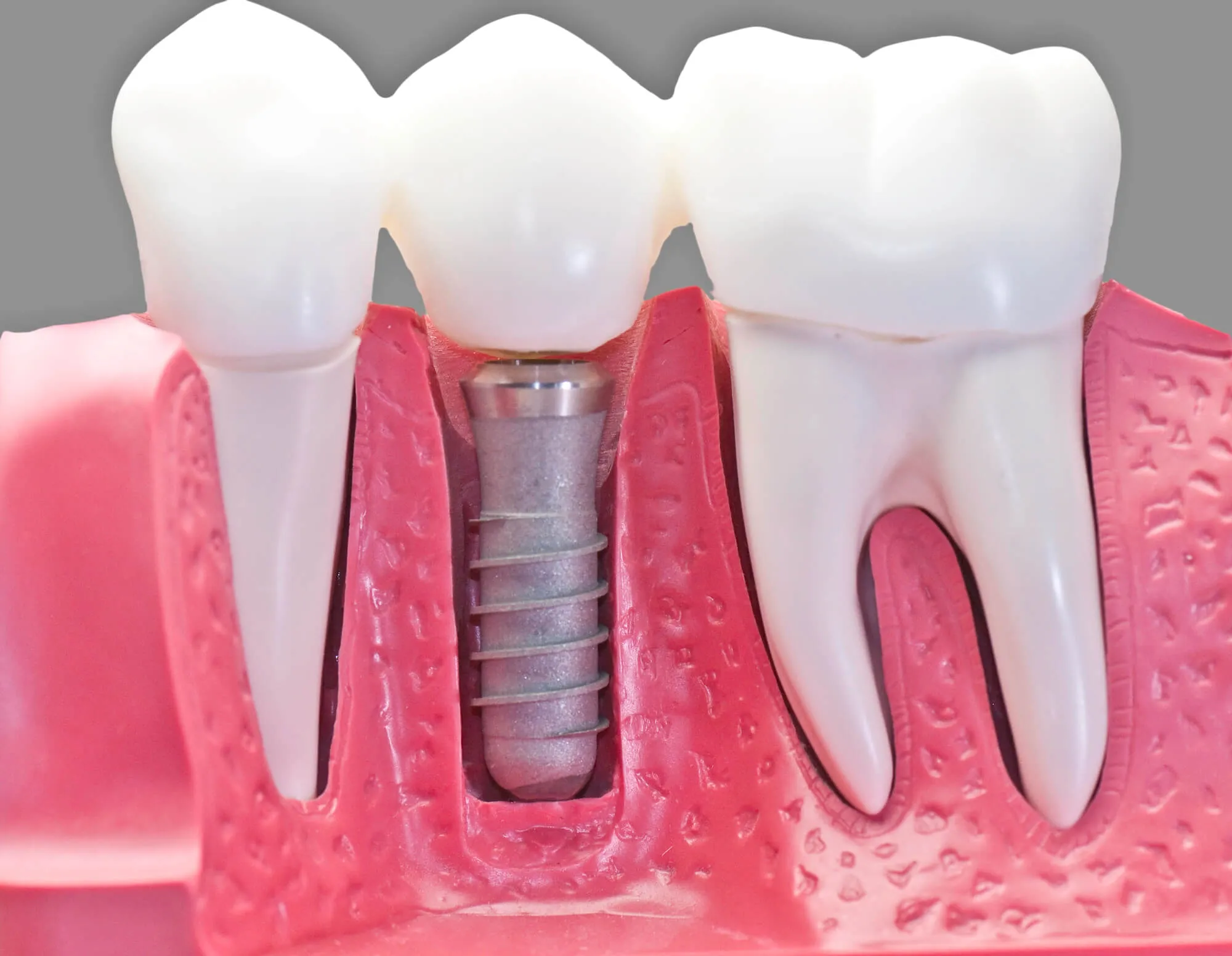
Dental implants are small titanium posts placed into the jawbone to replace missing tooth roots. Once the implant integrates with the surrounding bone, a custom restoration such as a crown, bridge, or denture is attached.
Unlike removable appliances, implants become a stable part of your mouth and function similarly to natural teeth.
Dental implants may be used to replace:
Because implants support the jawbone, they also help reduce the bone loss that often follows tooth loss.
Although both options replace missing teeth, they work in different ways.
Traditional dentures rest on the gums and can sometimes shift during eating or speaking. Dental implants are anchored directly into the jawbone, providing additional stability.
Well-made dentures can fit comfortably, but adjustments may be needed over time as the shape of the gums changes. Since implants are secured within the jaw, many patients describe them as feeling more like natural teeth.
One important difference is how each option affects the jawbone.
When teeth are missing, the underlying bone no longer receives stimulation from the tooth roots. Dental implants help maintain that stimulation, while traditional dentures do not replace the root structure.
Dentures should be removed daily for cleaning and overnight storage unless your dentist provides different instructions.
Dental implants are cared for much like natural teeth through regular brushing, flossing, and routine dental visits.

There isn't a single answer that works for everyone.
The right choice depends on several factors, including:
Some patients benefit from traditional dentures, while others prefer implant-supported restorations. In many cases, combining dentures with dental implants offers additional comfort and stability.
Your dentist will evaluate your oral health and discuss the advantages of each option before recommending a treatment plan tailored to your situation.
Many adults with missing teeth are potential candidates for dental implants, but a comprehensive evaluation is necessary before treatment begins.
Your dentist will assess factors such as:
Adequate jawbone is needed to support an implant. If bone loss has occurred, procedures such as bone grafting may be recommended before implant placement.
Healthy gums create a strong foundation for long-term implant success. Existing periodontal concerns may need to be addressed first.
Certain medical conditions or medications may influence healing. Sharing your complete medical history allows your dental team to develop an appropriate treatment approach.
Even if you've been told in the past that implants weren't an option, advances in implant dentistry have made treatment available for many more patients than ever before.
The lifespan of dentures and dental implants varies depending on the type of restoration, daily care, and regular dental maintenance.
Traditional dentures generally last several years before they need to be relined or replaced due to normal wear or changes in the shape of the gums and jawbone. Routine dental visits allow your dentist to monitor the fit and recommend adjustments when needed.
Dental implants are designed to be a long-term tooth replacement option. While the implant itself can last for many years with proper care, the crown or restoration attached to it may eventually require maintenance or replacement because of everyday wear.
Maintaining good oral hygiene and attending regular checkups can help protect your investment, regardless of which treatment you choose.
Recovery depends on the type of tooth replacement you receive.
Patients receiving traditional dentures may need a short adjustment period as they become accustomed to speaking and eating with their new appliance. Minor soreness is common initially, and follow-up appointments help refine the fit for improved comfort.
Recovery after dental implant placement takes longer because the implant needs time to integrate with the jawbone. Healing varies from patient to patient, but many people are able to return to normal daily activities within a day or two after the procedure while following their dentist's post-operative instructions.
Your dentist will explain each stage of treatment, so you know what to expect throughout the process.
Cost is often one of the first questions patients ask, and the answer depends on several factors.
The total investment may vary based on:
Although dentures generally have a lower initial cost, dental implants may offer long-term value because they are designed to provide lasting stability and help maintain jawbone health.
During your consultation, your dentist can explain your treatment options, review the expected costs, and discuss available payment options.
It is normal to experience a brief adjustment period when wearing new dentures. As your mouth adapts, they generally become more comfortable. Your dentist can also make adjustments if needed to improve the fit.
Yes. Dental implants can support a single crown, a bridge, or even a full-arch restoration, depending on your treatment needs.
The right choice depends on your oral health, jawbone condition, lifestyle, and personal goals. A comprehensive examination allows your dentist to recommend the most appropriate option for your situation.
If you're considering options for replacing missing teeth, our team at Altamonte Implant & Cosmetic Dentistry is here to help. Dr. Miranda takes the time to understand your goals, answer your questions, and recommend a personalized treatment plan designed around your smile and lifestyle. Whether you're exploring dentures, dental implants, or implant-supported restorations, we're committed to helping you make an informed decision. Contact our office today to schedule your consultation and discover which option is right for you.

– Dr. Atila C. Miranda, DDS –
(407) 831-4008752 Stirling Center Pl STE 1000,


*THE CONTENT/IMAGES ON THIS WEBSITE ARE NOT A GUARANTEE OF INDIVIDUAL RESULTS. INDIVIDUAL RESULTS MAY VARY. THE INFORMATION PROVIDED ON THIS SITE IS FOR GENERAL INFORMATIONAL PURPOSES ONLY, AND DOES NOT REPLACE THE NEED FOR A FORMAL CONSULTATION.